

ABOUT
About MON
―
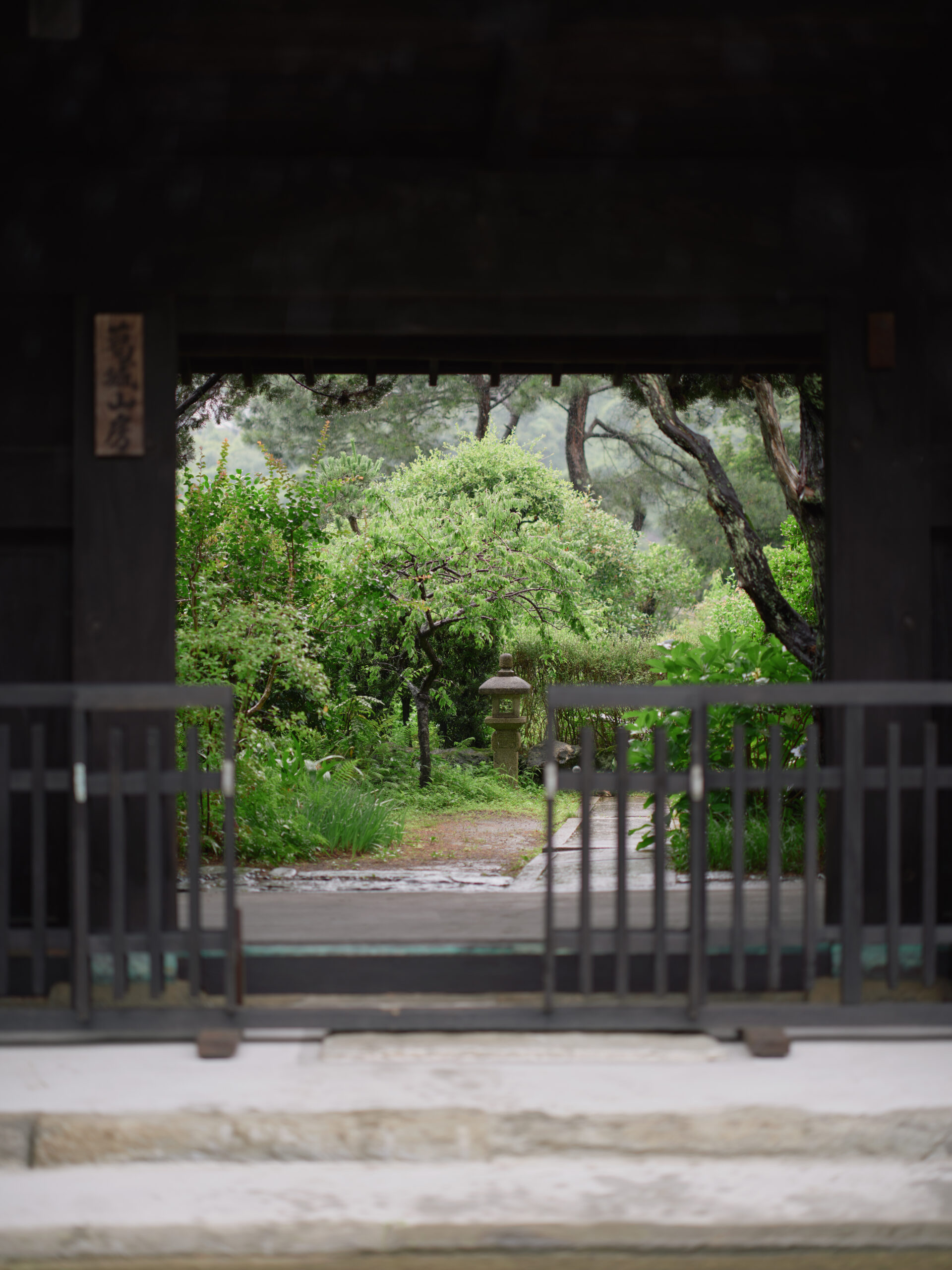
A heritage gatehouse transformed
into a sanctuary to envision your next step.
Why “MON” (The Gate)?
The meaning of milestones and beginnings living within the “Gate”
Why “MON” (The Gate)?
The meaning of milestones
and beginnings living within the “Gate”
Departure (門出), initiation (入門), the gateway to success (登竜門).
In Japan, the word “mon” (gate) has long symbolized life’s defining transitions and the courage to venture into new realms.
While demarcating the inner world from the outer, a gate warmly welcomes travelers across its threshold.
Passing through a gate inspires a conscious pause—a moment to clear the mind and step forward with renewed intention.
Wakayama is a sacred province home to Koyasan and Kumano, steeped in a timeless culture of prayer and spiritual pilgrimage.
Here, an ancestral Nagayamon gatehouse has been lovingly restored so that modern travelers may quietly pause, reflect, and realign with their life’s journey.
MON Retreat Salon is a true “gateway”—a space to return to your authentic self and open the door to what lies ahead.
Why “Retreat + Salon”?
Return to yourself,
open your next gate.
Why “Retreat + Salon”?
Return to yourself,
open your next gate.
A “Retreat” offers a serene interval to harmonize mind and body, tuning in to the quiet whispers of your inner voice.
A “Salon” serves as an inspiring gathering ground to awaken intuition, sensibility, and creative play through meaningful dialogue and encounters with handcrafted art.
Within spaces that inherit 135 years of living history, handcrafted woodwork meets the muted radiance of marble and atmospheric light.
Japanese and Western, vintage and contemporary—unexpected pairings that nonetheless evoke a gentle sense of nostalgia.
Encountering such a harmonious realm can softly expand the way you view your everyday world.
Settle into stillness, restore your rhythm, and look within.
Beyond this quiet time, you clarify the path you truly wish to walk, opening your next gate with your own hands. We hope your stay here becomes that meaningful catalyst.
I
Stillness
II
Alignment
III
Reflection
IV
Awakening
A Living Architectural Heritage
What is a “Nagayamon”?
A Living Architectural Heritage
What is a “Nagayamon”?
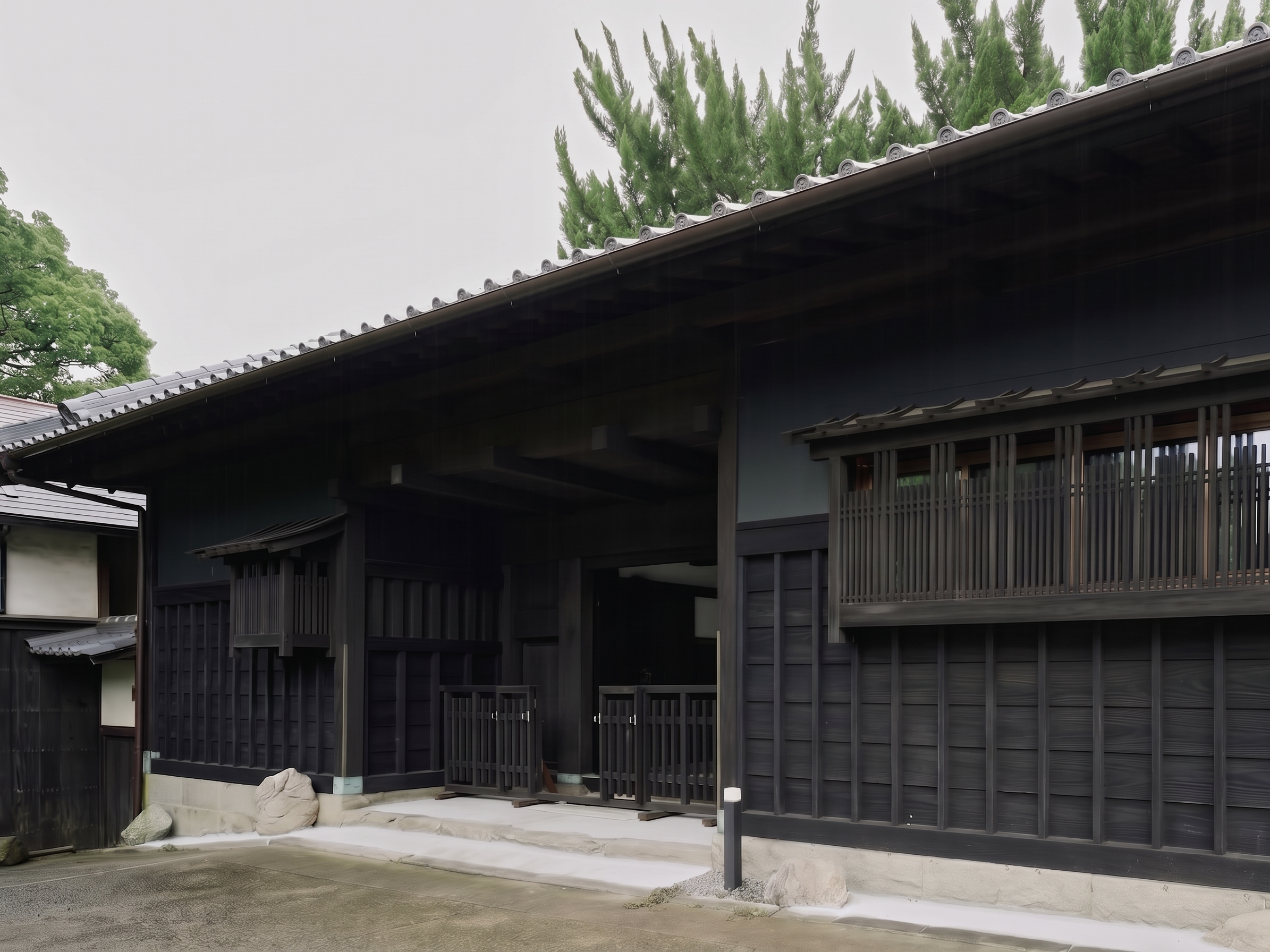
In the Kawahara district of Kinokawa City, historic Nagayamon gatehouses built during the early Meiji period still dot the picturesque rural landscape.
A Nagayamon is a traditional Japanese architectural form characterized by a central gate passage for people and horses, flanked on both sides by long rows of functional living quarters, granaries, or servant rooms. Historically built at the entrances of samurai estates and affluent farming residences, examples survive across Japan today.
Here in Kawahara, these structures have been treasured and maintained through the generations alongside local rural life.
What a Nagayamon preserves is far more than its architectural silhouette.
It is a “living cultural heritage” carrying the history of the land, everyday customs, and the memories of the people who thrived here.
A New Way to Preserve Heritage for the Future
Staying in a Gatehouse:
“Mon-paku”
A New Way to Preserve Heritage for the Future
Staying in a Gatehouse:
“Mon-paku”
In recent years, the burden of maintenance and the aging of homeowners have made the preservation and succession of Nagayamon increasingly difficult, leading to unfortunate instances of demolition.
Yet a Nagayamon holds a remarkable inherent quality: it can function as an independent guest space while the host family continues their daily life in the adjacent main house. It is an architectural format naturally suited to taking on renewed community roles—such as boutique lodging, ateliers, and cultural salons—without disturbing everyday living.
“We wish to preserve this beautiful cultural heritage for generations to come.”
One tangible initiative to realize that vision is “Mon-paku”—a simultaneously historic and novel lodging experience within an authentic gatehouse.
Navigating uncharted territory, MON Retreat Salon collaborated closely with regional administrative agencies and housing manufacturers to complete all necessary legal and preservation procedures. As Japan’s very first licensed “Mon-paku” operator,
we opened our gates here in Kinokawa City, Wakayama Prefecture.
By breathing fresh vitality into inherited architecture, welcoming guests, and weaving new bonds with the local community,
we aim for this small practice to serve as an enduring model for architectural conservation and regional revival.
* “Mon-paku” (門泊) is a registered trademark owned by the NPO Tsukuba Research Association in Tsukuba City, Ibaraki Prefecture.
The Pioneer Dubbed “The Rebirth of Kinokuniya Bunzaemon”
Ancestral History
The Pioneer Dubbed “The Rebirth of Kinokuniya Bunzaemon”
Ancestral History
This estate was once the residence of prominent entrepreneur Toshio Fujita. Born in Hara Village, Naga District, Kishu (now Kinokawa City), he directed the distribution and trade of celebrated Kishu mandarin oranges during the early Showa period, expanding his business footprint as far as Fengtian (Mukden), Manchuria.
Locally, his bold audacity and decisive enterprise earned him the moniker “The Rebirth of Kinokuniya Bunzaemon,” and regional historical archives commemorate him as a “Pioneer of Local Industry.”
Drawing inspiration from the daring spirit of an ancestor who stepped forth from this land into the wider world,
we, too, endeavor to take meaningful new steps through this gate.
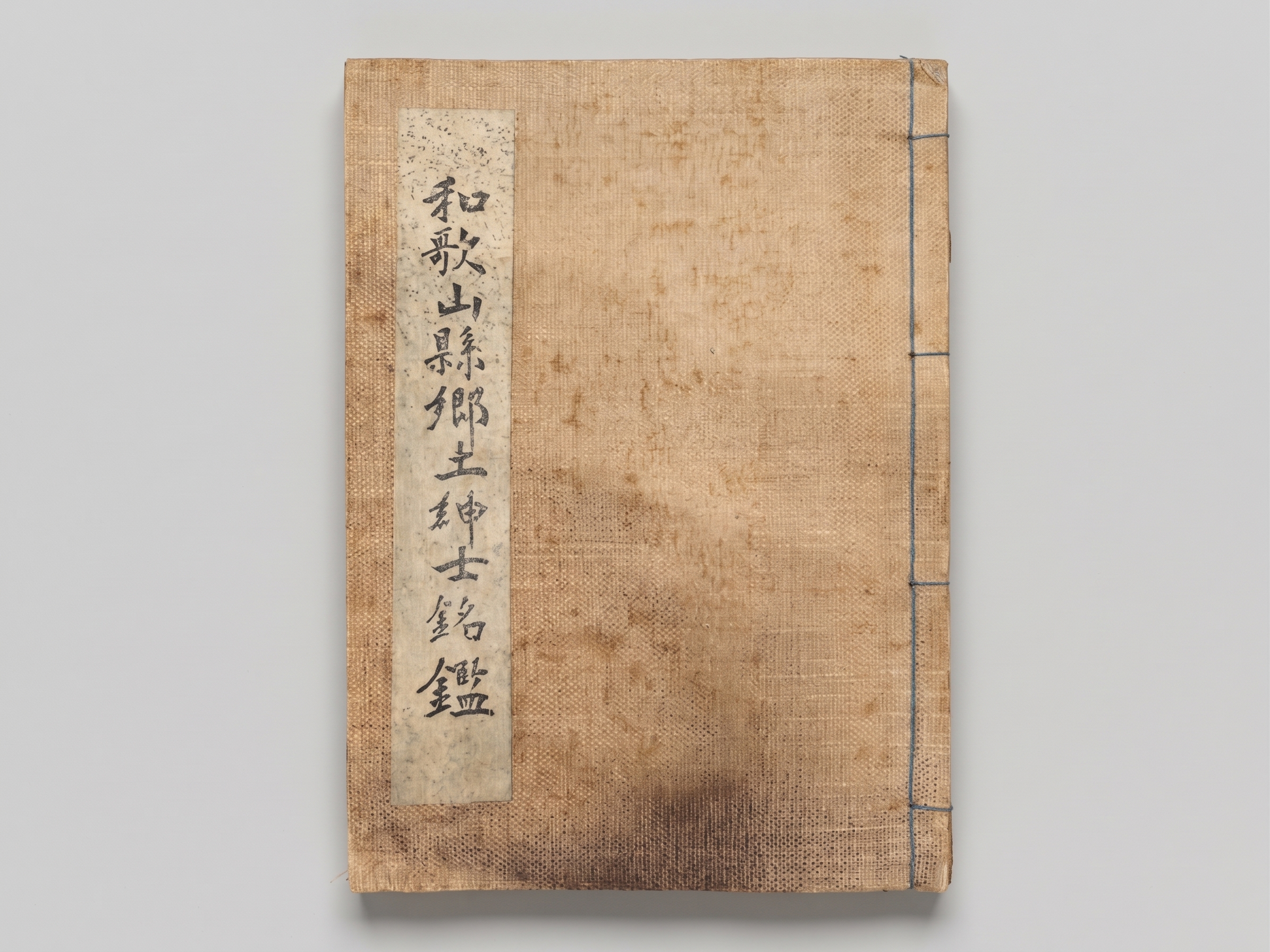
“Wakayama Prefecture Directory of Notable Gentlemen” (Early Showa Period)